
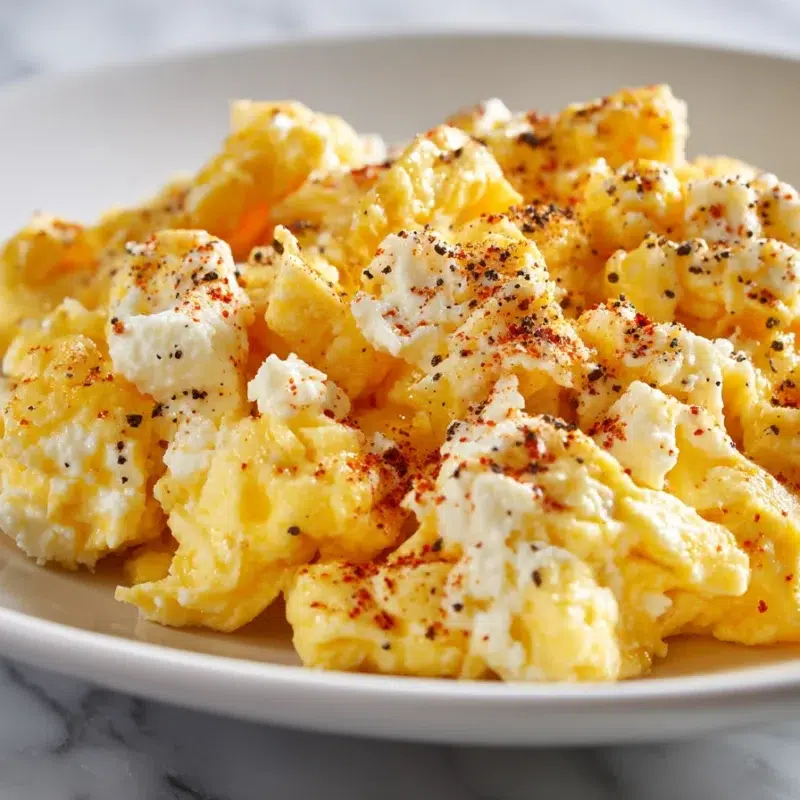
On the kind of weekday morning when backpacks are half-zipped and someone is always missing a shoe, Scrambled Eggs with Cottage Cheese save me. They’re fast, forgiving, and somehow feel like you tried harder than you did. I can have a protein rich breakfast on the table in under 10 minutes, and nobody’s asking, “What else is there?” which is basically a miracle in my house.
It’s become my dependable hearty healthy breakfast when time is tight, especially when I’m aiming for a low-carb breakfast that still feels cozy. If you’re doing keto eggs breakfast (or just trying to stay full until lunch), this one checks all the boxes without making your sink look like a science lab.
Pull-quote: Creamy, fluffy, done in minutes, and it actually keeps you full.
Why Cottage Cheese Makes Scrambled Eggs So Fluffy and Creamy
A cottage cheese egg scramble is one of those “why didn’t I do this sooner?” tricks. Cottage cheese melts into the eggs just enough to make them tender and spoonable, but it also leaves little creamy pockets that feel like the best kind of scrambled eggs with cheese. The result is soft curds, a gentle tang, and a texture that’s plush instead of dry.
At our table, Noah goes heavy on black pepper, Lily likes it simple (she’s my “no surprises” kid), and Emma wants paprika because she says it makes breakfast “look fancy.” I love that an egg with cottage cheese can be dressed up or kept plain, and it still tastes like a real meal.
- • Creaminess: makes eggs soft and rich without needing extra fuss
- • Protein: turns this into a truly protein rich breakfast
- • Satisfying bite: adds body so it feels like a hearty healthy breakfast
If you’re on a cottage cheese kick, I’ve got more cottage cheese breakfast ideas that are just as weeknight-friendly (yes, breakfast can be weeknight-friendly too).
Choosing the Best Cottage Cheese (Curd Size + Fat Level)
You can make scrambled egg cottage cheese style with whatever you have, but a few choices will nudge the texture in the direction you want. I usually keep small curd in the fridge because it disappears into eggs quickly, which is perfect for busy mornings and high-protein, low-carb meals.
- • Small curd: melts faster, gives a smoother scramble
- • Large curd: leaves bigger creamy pockets (more rustic texture)
- • Full-fat: tastes extra lush and satisfying (great for keto scrambled eggs)
- • Low-fat: still works, but can be a little less rich
One quick note: brands vary a lot. If your cottage cheese looks very wet, a quick drain makes a big difference for fluffy (not watery) scrambled eggs.
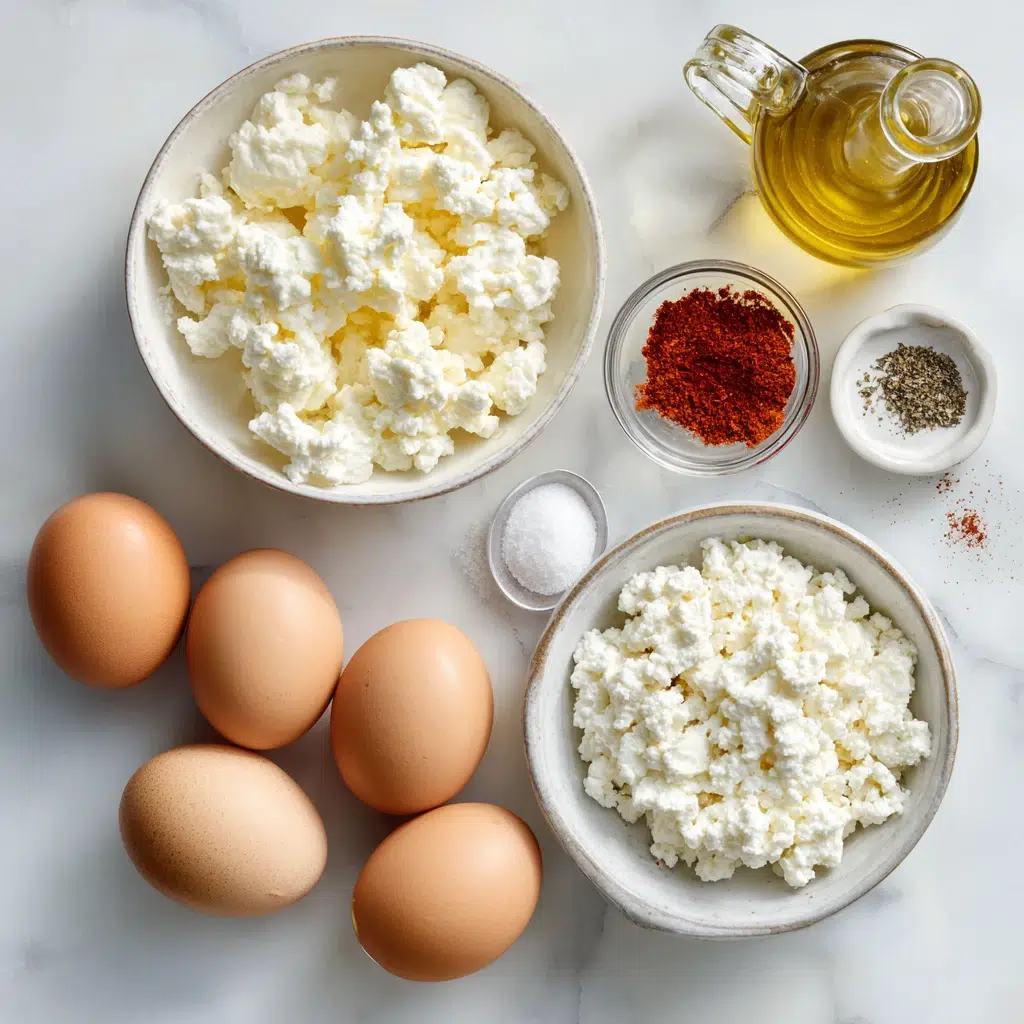
Ingredients You’ll Need
This is one of my favorite keto egg recipes breakfast options because the ingredient list is short, the seasonings are simple, and you can customize it a hundred different ways without changing the method.
- • 4 large eggs, the base of your fluffy scramble
- • ¾ cup cottage cheese, for creaminess and a high-protein boost
- • ¼ tsp salt, brings out the flavor
- • Freshly ground black pepper, to taste (I go generous)
- • ¼ tsp smoked paprika, adds warmth and color
- • Olive oil spray, keeps the eggs from sticking without heavy grease
Optional variations: Add 1–2 tbsp chopped chives or parsley, everything seasoning to taste, 2–3 tbsp salsa as a topping after cooking, or swap smoked paprika for sweet paprika or a pinch of cayenne (to taste).
How to Make Scrambled Eggs with Cottage Cheese (Step-by-Step)
I’ve made enough eggs in my life to know this: the difference between “fine” and “wow” is almost always heat control. This method is simple, but it rewards you for slowing down just a tiny bit.
Eva’s Note: If breakfast has taught me anything, it’s that eggs like patience. Low heat keeps them plush. High heat turns them into that dry, squeaky situation nobody asked for.
- Prep your cottage cheese (optional but helpful). If it looks wet, spoon it into a fine-mesh strainer and let it drain for 1–2 minutes while you crack your eggs. This helps avoid wateriness.
- Crack and season. Crack the eggs into a bowl. Add ¼ tsp salt, black pepper to taste, and ¼ tsp smoked paprika. Whisk until the yolks and whites are fully combined and a little frothy.
- Warm the pan gently. Heat a nonstick skillet over low to medium-low heat. Give it a light coat of olive oil spray. You want the pan warm, not blazing.
- Add the eggs and start slow. Pour in the eggs. Let them sit for about 10–15 seconds, then use a silicone spatula to gently push the eggs from the edges toward the center.
- Stir gently for soft curds. Keep moving the eggs slowly, sweeping and folding rather than whisking like crazy. You’re aiming for soft curds, not tiny dry bits.
- Add the cottage cheese at the right moment. When the eggs are starting to set around the edges but the middle is still glossy, add the ¾ cup cottage cheese. Fold gently to distribute.
- Finish and pull early. Cook another 30–60 seconds, just until the eggs look mostly set but still a touch shiny. Turn off the heat and let carryover heat finish the job.
- Serve right away. This is when they’re at peak creaminess, especially if you love that spoonable, fluffy (not watery) scrambled egg vibe.
Visual cue check: Perfect eggs look soft, pillowy, and still glossy. If they look totally matte in the pan, they’re heading toward overdone.
The Best Time to Add Cottage Cheese (Texture Control)
This is my little “watch the pan, not the clock” tip. The best time to add cottage cheese is when the eggs are just starting to set, but they still look glossy in the center. That timing gives you creamy eggs without flooding the pan with moisture.
- • Add early: cottage cheese blends in more, the scramble is smoother but can turn looser
- • Add mid (my favorite): creamy pockets, fluffy curds, best balance for avoiding wateriness
- • Add late: more distinct curds, slightly chunkier texture, less time to warm through
If you want to blend cottage cheese for eggs, you can, but you don’t have to. This timing trick matters more than fancy tools.
Seasoning and Topping Ideas (Savory, Simple, and Never Boring)
These eggs are a blank canvas in the best way. On mornings when everyone wants something different, I set out toppings family-style and call it a healthy breakfast spread. It makes breakfast feel fun, and it keeps me from making three separate meals, which is not happening before 8 a.m.
Here are my go-to savory cottage cheese toppings and add-ons for keeping your keto eggs breakfast interesting:
- • Chives or parsley: fresh, bright, and pretty
- • Everything seasoning: instant flavor, zero effort
- • Salsa (2–3 tbsp): spoon on after cooking for a juicy, tangy finish
- • Hot sauce: when you want heat without extra prep
- • Extra smoked paprika: cozy and a little smoky
- • Cracked black pepper: my forever favorite
This is also a great base for keto egg recipes breakfast plates, because you can keep it simple and still feel like you ate something real.
Serving Ideas (Quick Plate, Meal Prep, or Low-Carb Breakfast Spread)
I love this egg and egg white scramble style meal (even when it’s made with whole eggs) because it fits into whatever kind of morning you’re having. School-day chaos, slow weekend, or “I need to eat while standing at the counter,” it works.
- • Quick plate: eggs + sliced avocado or tomatoes, plus a simple low-carb side for breakfast
- • Meal prep box: portion into containers with cucumbers, berries, or leftover roasted veggies
- • Brunch spread: serve with fruit and a warm casserole like this tortilla breakfast casserole
It’s one of those protein rich breakfast options that doesn’t need a lot of extras, but it plays well with them if you’re feeding a crowd.
Troubleshooting (Watery, Runny, Rubbery—Fixes That Work Fast)
I’ve rescued plenty of pans of eggs in my time. Sometimes the heat was too high, sometimes the cottage cheese was extra wet, and sometimes I just got distracted by a kid asking me to sign something right this second. The good news is most egg problems are fixable, or at least preventable next time.
- • Problem: Watery eggs
Cause: cottage cheese had excess liquid or pan heat was too high
Fix: drain cottage cheese for 1–2 minutes next time, and keep the heat low so moisture doesn’t squeeze out - • Problem: Runny center that won’t set
Cause: eggs need a little more gentle time, or the pan isn’t warm enough
Fix: use low heat and fold slowly, then let carryover heat finish (it’s the secret to thicken scrambled eggs without toughness) - • Problem: Rubbery, overcooked scrambled eggs
Cause: heat too high or cooked too long
Fix: pull them earlier when they’re still glossy, they’ll finish as you plate
If you’re chasing fluffy (not watery) scrambled eggs, remember: low heat, gentle stirring, and pulling early are your best friends.
How to Fix Eggs That Look Too Runny (Without Overcooking)
This is my one-minute patience rule. When eggs look too runny, don’t crank the heat. That’s how you end up with rubbery curds and puddles of moisture.
- Take the pan off the heat. Stir slowly for 20–30 seconds.
- Wait 30–60 seconds. Carryover heat will thicken the eggs as the curds set.
- If needed, return to very low heat briefly. Fold gently until softly set, then stop.
Storage and Reheating (Keep Them Creamy)
If you’re packing breakfast for later (or just trying to stay ahead of tomorrow morning), these eggs store better than most people expect. The key is gentle reheating so they don’t dry out.
- • Fridge: store in an airtight container and refrigerate promptly. Best quality within 2–3 days.
- • Reheat without drying out: microwave on medium power in short bursts, stirring between each, until just warmed. Or warm on the stove over low heat with a lid for 1–2 minutes, stirring gently.
- • Freezer: you can freeze scrambled eggs meal prep portions, but the texture may be a bit more crumbly after thawing. Cool completely, freeze in portions, thaw overnight in the fridge, then reheat gently.
If you’re building a little breakfast lineup, try another fun, savory egg breakfast next.
Frequently Asked Questions about Scrambled Eggs with Cottage Cheese
Q: How do you make scrambled eggs with cottage cheese fluffy (not watery)?
Answer: Use low heat and cook slowly, stirring gently so the curds stay tender. If your cottage cheese is very wet, briefly drain it so excess liquid doesn’t thin the eggs. Add the cottage cheese when the eggs are just starting to set (still glossy), then finish cooking for a soft, creamy scramble.
Q: Should you blend cottage cheese before adding it to scrambled eggs?
Answer: Blending is optional. Blended cottage cheese gives a smoother, more uniform texture, while unblended keeps small creamy pockets throughout the scramble. Choose based on whether you want the eggs to look extra silky or a bit more rustic and curdy.
Q: Can I use egg whites instead of whole eggs in this recipe?
Answer: Yes. Egg whites work well and pair nicely with cottage cheese for a high-protein breakfast. Because egg whites can cook up a bit firmer, keep the heat low and pull them off the stove while they’re still slightly glossy so they stay tender.
Q: What can I substitute for cottage cheese in scrambled eggs?
Answer: You can use ricotta for a mild, creamy texture, or plain Greek yogurt for tang and extra protein. Add small amounts at a time and keep the heat gentle to maintain a soft scramble.
Q: How do I thicken scrambled eggs if they look too runny?
Answer: Take the pan off direct heat and stir slowly, carryover heat will set the eggs without turning them rubbery. If they’re still runny after a minute, return to very low heat briefly and keep folding until the curds look softly set. Avoid high heat, which can squeeze out moisture and make the texture watery.
Q: Can you make scrambled eggs with cottage cheese in a slow cooker, and how long does it take?
Answer: Yes. Lightly grease the slow cooker, add the egg mixture, and cook on LOW, stirring occasionally, until softly set. Timing depends on your cooker size and heat, but plan for roughly 1–2 hours and start checking early to prevent overcooking.
Q: How do you reheat scrambled eggs with cottage cheese without drying them out?
Answer: Reheat gently. In the microwave, use medium power in short bursts, stirring between each, until just warmed. On the stove, warm over low heat with a lid for a minute or two, stirring gently. Stop as soon as they’re hot, overheating is what dries them out.
Q: How long do scrambled eggs with cottage cheese last in the fridge?
Answer: Store in an airtight container and refrigerate promptly. For best quality, enjoy within 2–3 days. Reheat gently and only warm what you’ll eat right away.
Q: Can you freeze scrambled eggs with cottage cheese?
Answer: You can freeze them, though the texture may become a bit more crumbly after thawing. Cool completely, portion into freezer-safe containers, and freeze. Thaw overnight in the fridge and reheat gently to preserve as much creaminess as possible.
Whether you’re making this for a quiet moment before the house wakes up or for a full-on weekday rush, Scrambled Eggs with Cottage Cheese are one of those small wins that make the morning feel more doable. Keep the heat low, pull them early, and let that creamy, high-protein comfort do its thing.
Thank you for cooking with me, it means more than you know.
If you want more cozy breakfast ideas, come follow me on Pinterest.
Print
Low-Carb High-Protein Scrambled Eggs With Cottage Cheese
- Total Time: 10
- Yield: 2 1x
Description
Scrambled Eggs with Cottage Cheese are fluffy, creamy, and protein-packed. A quick low-carb breakfast with simple seasonings in under 10 minutes.
Ingredients
4 large eggs
¾ cup cottage cheese
¼ tsp salt
Freshly ground black pepper, to taste
¼ tsp smoked paprika
Olive oil spray
Instructions
1. Prep your cottage cheese (optional but helpful). If it looks wet, spoon it into a fine-mesh strainer and let it drain for 1–2 minutes while you crack your eggs. This helps avoid wateriness.
2. Crack and season. Crack the eggs into a bowl. Add ¼ tsp salt, black pepper to taste, and ¼ tsp smoked paprika. Whisk until the yolks and whites are fully combined and a little frothy.
3. Warm the pan gently. Heat a nonstick skillet over low to medium-low heat. Give it a light coat of olive oil spray. You want the pan warm, not blazing.
4. Add the eggs and start slow. Pour in the eggs. Let them sit for about 10–15 seconds, then use a silicone spatula to gently push the eggs from the edges toward the center.
5. Stir gently for soft curds. Keep moving the eggs slowly, sweeping and folding rather than whisking like crazy. You’re aiming for soft curds, not tiny dry bits.
6. Add the cottage cheese at the right moment. When the eggs are starting to set around the edges but the middle is still glossy, add the ¾ cup cottage cheese. Fold gently to distribute.
7. Finish and pull early. Cook another 30–60 seconds, just until the eggs look mostly set but still a touch shiny. Turn off the heat and let carryover heat finish the job.
8. Serve right away. This is when they’re at peak creaminess, especially if you love that spoonable, fluffy (not watery) scrambled egg vibe.
Notes
If your cottage cheese looks very wet, a quick drain makes a big difference for fluffy (not watery) scrambled eggs. Store in an airtight container and refrigerate promptly. Best quality within 2–3 days. Reheat gently to avoid drying out.
- Prep Time: 2
- Cook Time: 8
- Category: Breakfast
- Method: Skillet
- Cuisine: American
Nutrition
- Serving Size: 1 plate
- Calories: 250
- Sugar: 3
- Sodium: 400
- Fat: 15
- Saturated Fat: 6
- Unsaturated Fat: 7
- Trans Fat: 0
- Carbohydrates: 5
- Fiber: 0
- Protein: 25
- Cholesterol: 380