
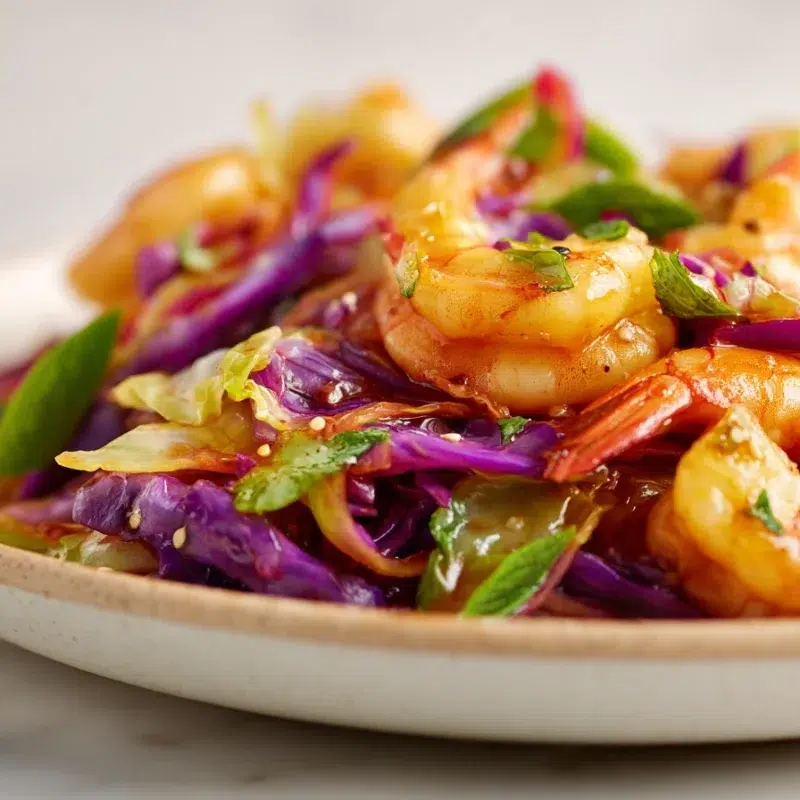
On the kinds of nights when everyone is hungry at the exact same time, this Asian Shrimp and Cabbage Stir Fry is my little dinner lifesaver. It’s fast, it’s bold, and it gives you that hot, crunchy, satisfying bite without leaving your kitchen looking like a tornado hit it. I’m talking one pan, a cutting board, and that happy sizzle that makes your whole apartment smell like you actually had a plan.
The best part is what happens the second garlic and ginger hit the hot oil. It’s cozy, it’s savory, and it makes my kids wander in like cartoon characters following a scent trail. If you’re craving a quick shrimp cabbage stir fry that feels like takeout at home, this one’s for you.
- Fast: A true garlic ginger shrimp stir fry that’s on the table quickly
- Crisp-tender: Cabbage stays bright with a little snap
- Flexible: Easy to keep mild or turn into a spicy shrimp cabbage meal
What Makes This Stir Fry Work (Flavor + Texture)
Stir fry is basically a formula, and once you get it, you can make it on autopilot. High heat, quick cooking, and a sauce that clings instead of pooling at the bottom. That’s how you get a shrimp veggie stir fry that tastes like it came from your favorite spot, not like a sad, watery skillet situation.
The texture payoff here is the crisp-tender cabbage. It softens just enough to soak up the sauce, but it still has that little snap when you bite in. And when you finish with sesame oil and green onions, it turns into that sesame shrimp cabbage vibe that makes you want “just one more forkful.”
3 rules for great stir fry texture
- Hot pan: You want a sizzle, not a simmer.
- Don’t crowd: If your pan is small, cook in batches so you keep that stir-fry sear.
- Sauce at the end: Add it when everything is almost done so it turns glossy fast.
Ingredients You’ll Need
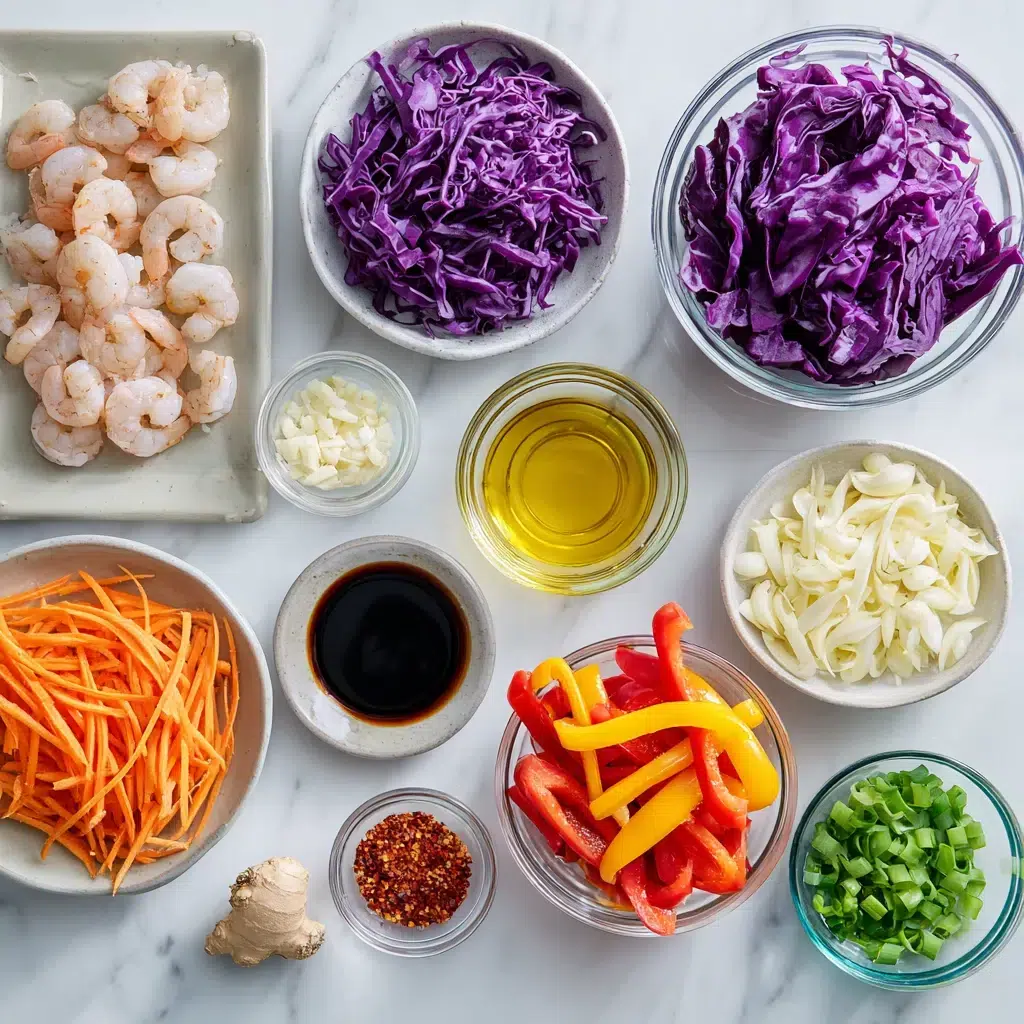
This is one of those shrimp and cabbage recipes that feels fancy, but it’s really built from weeknight staples. I almost always have soy sauce, cornstarch, and sesame oil hanging out in my pantry, and cabbage is the vegetable that stretches everything. One pound of shrimp plus a big pile of cabbage turns into a full, satisfying dinner for my crew, especially if you serve it with rice or noodles.
You can also play with the cabbage. Green cabbage gives you more crunch, while napa cabbage is softer and silkier, which is lovely for a spicy napa cabbage stir fry moment. Either way, this shrimp stir fry with cabbage is forgiving as long as you keep the heat high and your cuts fairly even.
- Stir fry
- 1 lb shrimp, peeled and deveined
- 4 cups green cabbage, chopped
- 1 cup carrots, julienned
- 1 cup bell peppers, sliced
- 3 cloves garlic, minced
- 1 tbsp fresh ginger, grated
- 2 tbsp vegetable oil
- 2 green onions, chopped
- ½ tsp red pepper flakes (optional)
- Sauce
- 3 tbsp soy sauce
- 2 tbsp oyster sauce
- 1 tbsp cornstarch
- Finishers
- 1 tsp sesame oil
Optional variations (clearly marked):
- Add mushrooms or snap peas for more veg volume
- Use napa cabbage for a softer, silkier bite
- Add extra red pepper flakes for more heat
How to Slice Cabbage and Veggies for Fast, Even Cooking
My mom drilled one thing into me when I was learning to cook in all those different little kitchens we lived around the world: prep first, then turn on the heat. Because once the pan is hot, stir fry moves fast. If you’re still slicing peppers while your garlic is burning, it’s not a fun time.
For a Napa cabbage recipes stir fry situation, you want slightly thicker slices because napa cooks quickly and can go limp if it’s too thin. For green cabbage, thin ribbons are perfect because they soften at the edges but keep their crunch in the middle. Either way, consistent cuts are what keep this quick shrimp cabbage stir fry from turning soggy.
- Cabbage: Slice into thin ribbons (green cabbage) or slightly thicker strips (napa).
- Carrots: Julienne thin so they cook quickly and stay a little crisp.
- Bell peppers: Slice into even strips so they soften at the same pace.
Prep checklist
- Sauce mixed and ready
- Shrimp patted dry
- Veggies sliced and grouped by cooking time
- Green onions chopped for the finish
If you love a veggie side with similar flavors, this bok choy with ginger chili sauce is a great one to keep in your back pocket.
Stir Fry Sauce Breakdown (Garlic-Ginger, Salty-Savory, Clingy)
This sauce is simple, but it does a lot. It’s salty-savory, a little sweet in that classic takeout way, and it turns glossy fast so it hugs every ribbon of cabbage. That clingy sauce is what makes a garlic ginger shrimp stir fry feel like the real deal.
And let’s talk about the smell. When garlic and ginger bloom in the pan, it’s the kind of aroma that makes you feel like dinner is going to be okay, even if your day was not. Once the sauce hits the heat and tightens up, you get that silky, shiny coating that makes the whole skillet look irresistible. Finish with sesame oil off the heat, and you’ve got that toasty sesame shrimp cabbage finish that pulls it all together.
- Soy sauce: The salty backbone of the sauce
- Oyster sauce: Adds deep savory flavor and a little sweetness
- Cornstarch: Helps the sauce thicken and cling instead of running watery
- Garlic + ginger: The cozy, punchy flavor base
- Sesame oil: A finishing touch for warm, toasty aroma
How to Make Asian Shrimp and Cabbage Stir Fry (Step-by-Step)
- Mix the sauce so it’s ready to go. In a small bowl, whisk together the soy sauce, oyster sauce, and cornstarch. If the cornstarch looks stubborn, keep whisking until it’s smooth. Set it right next to the stove.
- Pat the shrimp dry. Take one tiny extra minute with paper towels. This is what keeps dinner from turning steamy. Shrimp cooks fast, and a hot sear keeps it tender.
- Sear the shrimp fast, then pull it out. Heat 1 tablespoon vegetable oil in a large skillet or wok over high heat. Add shrimp in a single layer and cook about 60 to 90 seconds per side, just until pink and opaque. Remove to a plate. (If your pan is small, do this in two quick batches.)
- Cook the veggies in order. Add the remaining 1 tablespoon oil. Add carrots first and stir fry for about 1 minute. Add bell peppers and cook another 1 minute. Then add the cabbage and toss for 2 to 3 minutes, until it brightens and softens at the edges but still has crunch.
- Add garlic and ginger after the veggies start softening. Make a little space in the center of the pan, then add garlic and ginger. Stir for about 20 to 30 seconds until fragrant. (Garlic and ginger are the first smells that make the kitchen feel cozy, but they can scorch if they sit in a dry pan too long.)
- Return shrimp and add sauce. Add the shrimp back to the pan. Pour in the sauce and toss constantly for 30 to 60 seconds. You’ll see it turn glossy and lightly coat everything. This is your cabbage shrimp stir fry moment.
- Finish and taste. Turn off the heat. Stir in green onions and drizzle the sesame oil over the top. That last drizzle is like turning the lights on, suddenly the whole pan smells warm and toasty. Taste and adjust. If you want heat, add red pepper flakes now, or toss in dried chiles if you’re going for a cabbage stir fry with shrimp and dried chiles style.
- Do this: Keep the pan hot and the cook time short.
- Not that: Let shrimp sit in the pan while you cook vegetables, it’s how you end up with overcooked shrimp.
This is one of my favorite spicy shrimp cabbage meal options because it’s fast, satisfying, and doesn’t require a million ingredients.
If you like another easy dinner with similar vibes, you might also love my chicken and cabbage stir fry.
Spice Level: Keep It Mild or Bring the Heat
In my house, spice is a negotiation. Noah wants it hot, Emma wants it mild, and Lily wants to taste it first and then decide like she’s judging a cooking show. So I keep the base as a cozy, savory spicy cabbage stir fry option, then I customize at the table.
- Mild: Skip red pepper flakes. Let garlic, ginger, and sesame do the heavy lifting.
- Medium: Add the ½ teaspoon red pepper flakes while you toss in the sauce.
- Hot: Add extra red pepper flakes gradually, or add dried chiles for an extra spicy stir fry feel. This is especially good if you’re using napa for a spicy napa cabbage stir fry.
If you want another gingery, chili-forward side, here’s that bok choy with ginger chili sauce again. It’s a great heat-lover add-on.
Easy Swaps and Add-Ins (Veggies + Protein)
I’m a big fan of “use what you have” cooking, especially on weeknights when the fridge is a little chaotic. This is one of those shrimp and cabbage recipes that can flex with you, as long as the pan stays hot and you keep your cuts even.
- Cabbage swaps:
- Napa cabbage for a softer, silkier bite
- Red cabbage for color (it stays a bit firmer)
- Veggie add-ins:
- Mushrooms (they soak up sauce beautifully)
- Snap peas for extra crunch
- Broccoli florets (cut small so they cook quickly)
- Thin-sliced onion for sweetness
- Protein swaps:
- Chicken breast or thighs, sliced thin
- Firm tofu, pressed and cubed
If you want a different sweet-savory twist for your next shrimp veggie stir fry night, this pineapple chicken stir fry is such a fun change-up.
Serving Ideas (Rice, Noodles, or Light Bowl)
This quick shrimp cabbage stir fry is super flexible when it comes to serving. Some nights we go cozy and carby, other nights we keep it lighter and veggie-forward.
- Serve over steamed jasmine rice
- Toss with cooked noodles for a slurpable bowl
- Make a lighter bowl with extra cabbage and fewer noodles
- Spoon into lettuce cups for a crunchy, fresh dinner
- Top with extra green onions for a bright finish
If you love lettuce-wrap dinners, you might like these Asian-style ground beef lettuce wraps.
Make-Ahead + Meal Prep Game Plan
Future me is always grateful when I do even a little prep. Sometimes it’s Sunday afternoon, sometimes it’s right after school pickup while the kids are snacking and telling me every detail of their day all at once.
- Make sauce ahead: Whisk the sauce and store it in a small jar in the fridge for up to 3 days. Shake well before using.
- Prep veggies: Slice cabbage, carrots, and peppers up to 2 days ahead. Store in separate containers so they stay crisp.
- Prep shrimp: Peel and devein (or buy it ready), then keep it cold and cook right before serving for best texture.
For the best stir fry texture, store everything separately and cook it fresh. This is the kind of quick weeknight meal that rewards you for being just a tiny bit prepared.
Troubleshooting: Sauce, Shrimp, and Soggy Veggies
I’ve made every stir fry mistake at least once, usually while trying to do three things at the same time. The good news is most problems have an easy fix, and dinner can still be delicious.
- Problem: Stir fry is watery (avoid watery stir fry). Fix: Use higher heat, cook in smaller batches, and pat shrimp dry before searing.
- Problem: Sauce is too thick. Fix: Add a splash of water and toss over heat for a few seconds.
- Problem: Sauce is too thin. Fix: Let it bubble for 30 to 60 seconds while tossing, or mix a tiny bit more cornstarch with cool water and add it in.
- Problem: Shrimp is rubbery (keep shrimp tender). Fix: Sear quickly, remove, then return at the end only to warm through.
- Problem: Cabbage is too soft. Fix: Slice thicker next time, keep the heat high, and shorten the cook time.
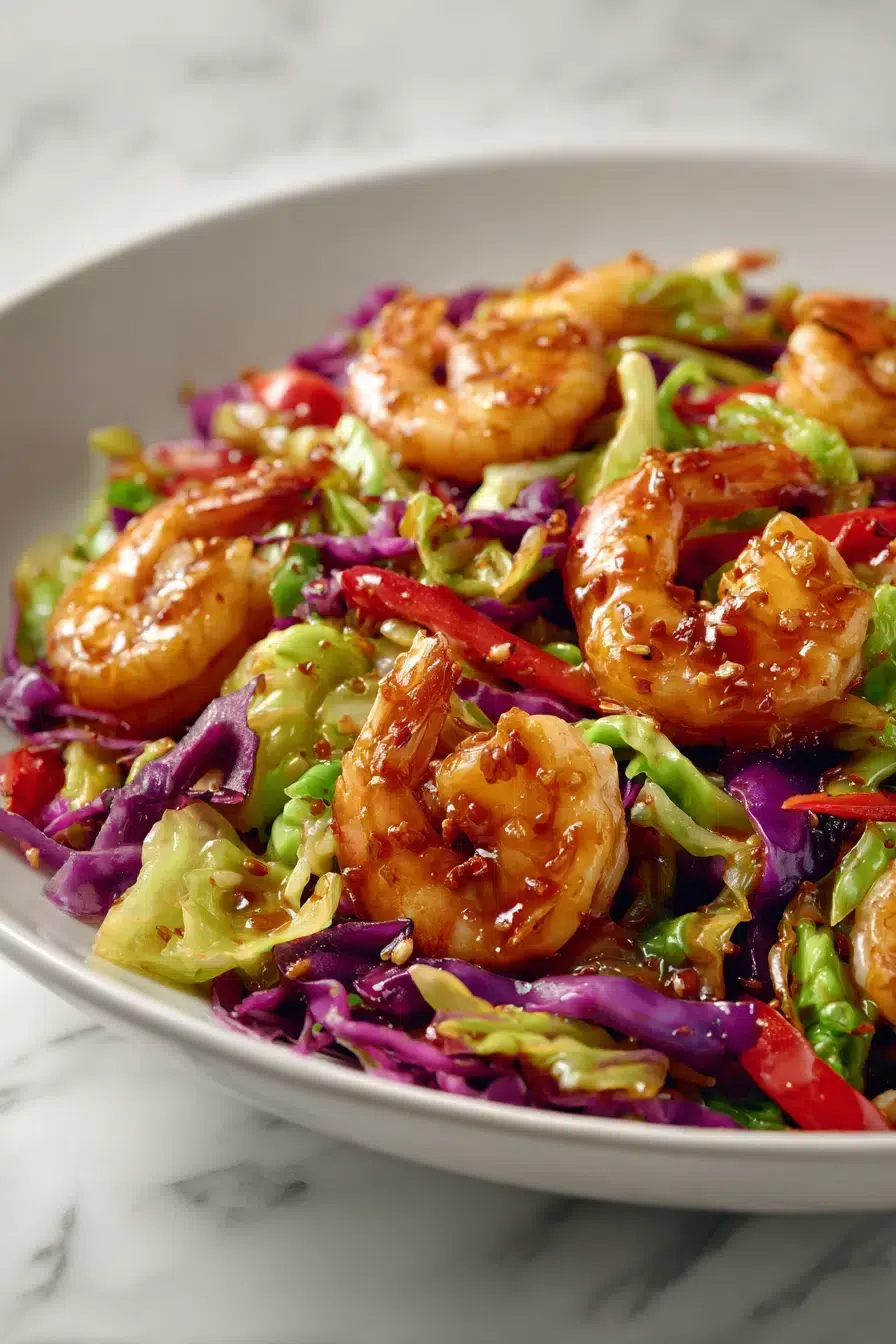
Frequently Asked Questions about Asian Shrimp and Cabbage Stir Fry
Q: Can I use napa cabbage instead of green cabbage in shrimp cabbage stir fry?
✅ Answer: Yes. Napa cabbage cooks a bit faster and turns more tender than green cabbage, so slice it a little thicker and add it closer to the end to keep some texture. The silky way napa cabbage folds into the sauce is honestly one of my favorite parts.
Q: How do I keep shrimp from getting rubbery in a stir fry?
✅ Answer: Use high heat and cook shrimp briefly, just until pink and curled, then pull it out while you cook the vegetables. Add it back at the end only long enough to warm through. Watch for that moment it turns opaque and the pan smells savory and garlicky.
Q: What’s the best way to thicken the stir fry sauce with cornstarch?
✅ Answer: Mix cornstarch with a small amount of cool water until smooth, then stir it into the sauce mixture. Pour into the hot pan and toss for 30 to 60 seconds until the sauce turns glossy and lightly coats everything. You’ll see that instant shine when the sauce tightens up.
Q: Can I make Asian Shrimp and Cabbage Stir Fry less spicy (or extra spicy)?
✅ Answer: For less heat, skip red pepper flakes and keep the sauce focused on garlic, ginger, and sesame. For more heat, increase red pepper flakes gradually and taste after tossing so you can stop at your perfect level. I keep it mild for the family, then add heat to my own bowl.
Q: What vegetables can I substitute for bell peppers or carrots?
✅ Answer: Great options include snap peas, mushrooms, broccoli florets, zucchini, or thin-sliced onion. Keep pieces similar in size so everything cooks evenly, and add firmer vegetables earlier than tender ones. This is a perfect clean-out-the-fridge night win.
Q: Can I make this in a slow cooker, and what timing would work best?
✅ Answer: A slow cooker isn’t ideal for stir fry texture, but you can cook the cabbage and vegetables on low for 2 to 3 hours with the sauce, then add shrimp at the very end and cook just until pink and opaque (about 10 to 20 minutes depending on your cooker). For best results, finish quickly in a hot pan to restore some bite. The slow cooker smells cozy and mellow, but that quick sizzle in a pan is what makes it feel like stir fry.
Q: How do I store leftover shrimp and cabbage stir fry, and how long does it last?
✅ Answer: Cool leftovers quickly, then store in an airtight container in the refrigerator for up to 2 to 3 days. Keep rice or noodles separate if possible so they don’t soak up all the sauce. The garlic-ginger flavor actually deepens overnight.
Q: What’s the best way to reheat shrimp stir fry without overcooking the shrimp?
✅ Answer: Reheat gently over medium-low heat in a skillet with a splash of water to loosen the sauce, just until warmed through. If using a microwave, heat in short bursts and stir between rounds to avoid hot spots. Aim for steamy-hot, not bubbling.
Eva’s Note (Optional Closing): The Weeknight Stir Fry I Never Regret Making
This is the kind of dinner that always earns seconds at my table, especially when the cabbage still has that little snap and the sauce is glossy and warm. If you make this Asian Shrimp and Cabbage Stir Fry, I’d love to hear how you served it, and whether you kept it mild or went full spicy. And if cabbage is on your regular grocery list, don’t miss my chicken and cabbage stir fry for another easy weeknight win.
Thank you for cooking with me, I’m so glad you’re here at my table.
Come follow along on Pinterest for more cozy, weeknight-friendly recipes.
Print
Asian Shrimp and Cabbage Stir Fry (Fast & Spicy)
- Total Time: 20 minutes
- Yield: 4 servings 1x
Description
Make Asian Shrimp and Cabbage Stir Fry with crisp cabbage, tender shrimp, garlic-ginger sauce, and optional heat, perfect for a quick weeknight meal.
Ingredients
1 lb shrimp, peeled and deveined
4 cups green cabbage, chopped
1 cup carrots, julienned
1 cup bell peppers, sliced
3 cloves garlic, minced
1 tbsp fresh ginger, grated
2 tbsp vegetable oil
2 green onions, chopped
½ tsp red pepper flakes (optional)
3 tbsp soy sauce
2 tbsp oyster sauce
1 tbsp cornstarch
1 tsp sesame oil
Instructions
1. Mix the sauce so it’s ready to go. In a small bowl, whisk together the soy sauce, oyster sauce, and cornstarch. If the cornstarch looks stubborn, keep whisking until it’s smooth. Set it right next to the stove.
2. Pat the shrimp dry. Take one tiny extra minute with paper towels. This is what keeps dinner from turning steamy. Shrimp cooks fast, and a hot sear keeps it tender.
3. Sear the shrimp fast, then pull it out. Heat 1 tablespoon vegetable oil in a large skillet or wok over high heat. Add shrimp in a single layer and cook about 60 to 90 seconds per side, just until pink and opaque. Remove to a plate. (If your pan is small, do this in two quick batches.)
4. Cook the veggies in order. Add the remaining 1 tablespoon oil. Add carrots first and stir fry for about 1 minute. Add bell peppers and cook another 1 minute. Then add the cabbage and toss for 2 to 3 minutes, until it brightens and softens at the edges but still has crunch.
5. Add garlic and ginger after the veggies start softening. Make a little space in the center of the pan, then add garlic and ginger. Stir for about 20 to 30 seconds until fragrant. (Garlic and ginger are the first smells that make the kitchen feel cozy, but they can scorch if they sit in a dry pan too long.)
6. Return shrimp and add sauce. Add the shrimp back to the pan. Pour in the sauce and toss constantly for 30 to 60 seconds. You’ll see it turn glossy and lightly coat everything. This is your cabbage shrimp stir fry moment.
7. Finish and taste. Turn off the heat. Stir in green onions and drizzle the sesame oil over the top. That last drizzle is like turning the lights on, suddenly the whole pan smells warm and toasty. Taste and adjust. If you want heat, add red pepper flakes now, or toss in dried chiles if you’re going for a cabbage stir fry with shrimp and dried chiles style.
Notes
Add mushrooms or snap peas for more veg volume. Use napa cabbage for a softer, silkier bite. Add extra red pepper flakes for more heat.
- Prep Time: 10 minutes
- Cook Time: 10 minutes
- Category: Dinner
- Method: Skillet
- Cuisine: Asian
Nutrition
- Serving Size: 1 bowl
- Calories: 250
- Sugar: 4
- Sodium: 800
- Fat: 12
- Saturated Fat: 2
- Unsaturated Fat: 8
- Trans Fat: 0
- Carbohydrates: 15
- Fiber: 4
- Protein: 20
- Cholesterol: 150