
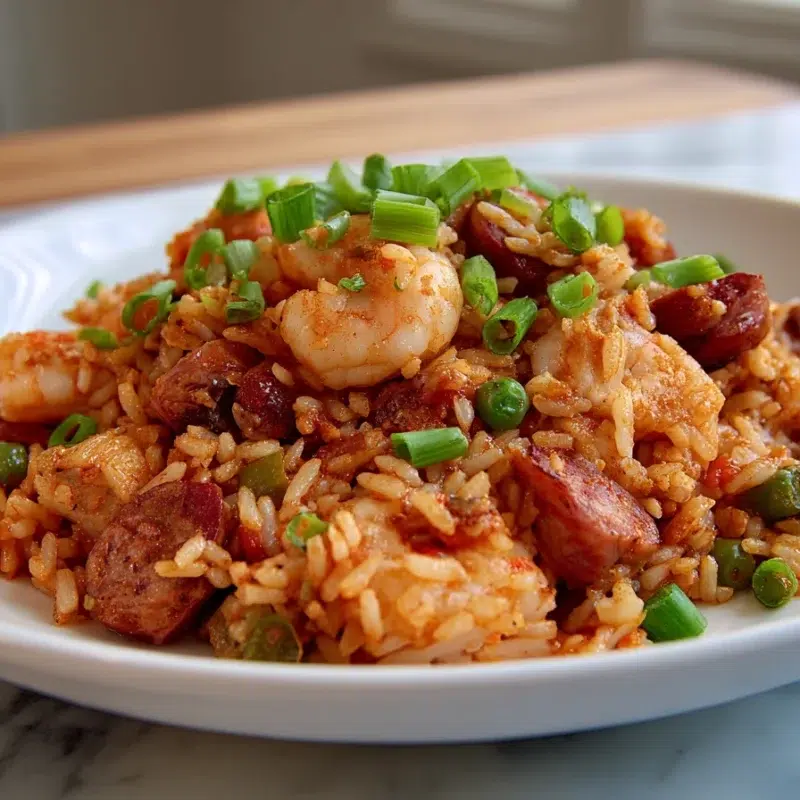
If there is one dinner that makes my kitchen feel like it is giving everyone a hug, it is Classic Jambalaya. It is warm, hearty, and the whole thing happens in one pot jambalaya style, which means fewer dishes and more time to actually sit down and eat. This chicken shrimp jambalaya is the kind of Cajun rice dinner that feels special, even when it is a random Tuesday and you are running on fumes.
I grew up watching big pots simmer on the stove while my mom “just checked one more thing” and somehow that meant everyone wandered in for a taste. The second onion, bell pepper, and celery hit hot oil, the whole house smells like dinner is officially happening. Now my kids do the same thing. Noah always “tests” the sausage, Lily asks if the rice is fluffy yet, and Emma wants the spoon like it is a prize.
This is the pot that makes the house feel full.
And honestly, it is my favorite clean-out-the-fridge but still special kind of meal. As long as you keep the ratios right and let the rice do its thing, it comes out cozy and spoonable every time.
What Makes This Jambalaya Taste “Just Right”
A traditional jambalaya is all about layers. Not complicated layers, just the kind that build when you take your time in the first 10 minutes. I learned early on that if you rush the veggie sauté, the whole pot tastes a little flat. But when you let the “holy trinity” soften and turn glossy, everything after that tastes like it belongs together.
The sound is the giveaway first, that gentle sizzle. Then the smell changes. The onion turns sweet, the pepper smells brighter, and the celery gives that cozy, savory background that makes a Traditional Cajun Jambalaya Recipe feel like the real deal, even in a tiny NYC kitchen.
Here are the main flavor builders in this homemade jambalaya recipe:
- The holy trinity (onion, bell pepper, celery) for that classic Cajun base
- Garlic for warmth and depth
- Cajun seasoning to bring the pot to life
- Smoked paprika for smoky, cozy richness
- Thyme and oregano for that herby “simmered all day” vibe
Then there is the rice. It is not just along for the ride. In traditional jambalaya, the rice absorbs the seasoned broth, the browned bits, and all that sausage and chicken flavor. That is why every bite tastes like the whole pot, not like separate parts.
Ingredients You’ll Need (and Why They Matter)
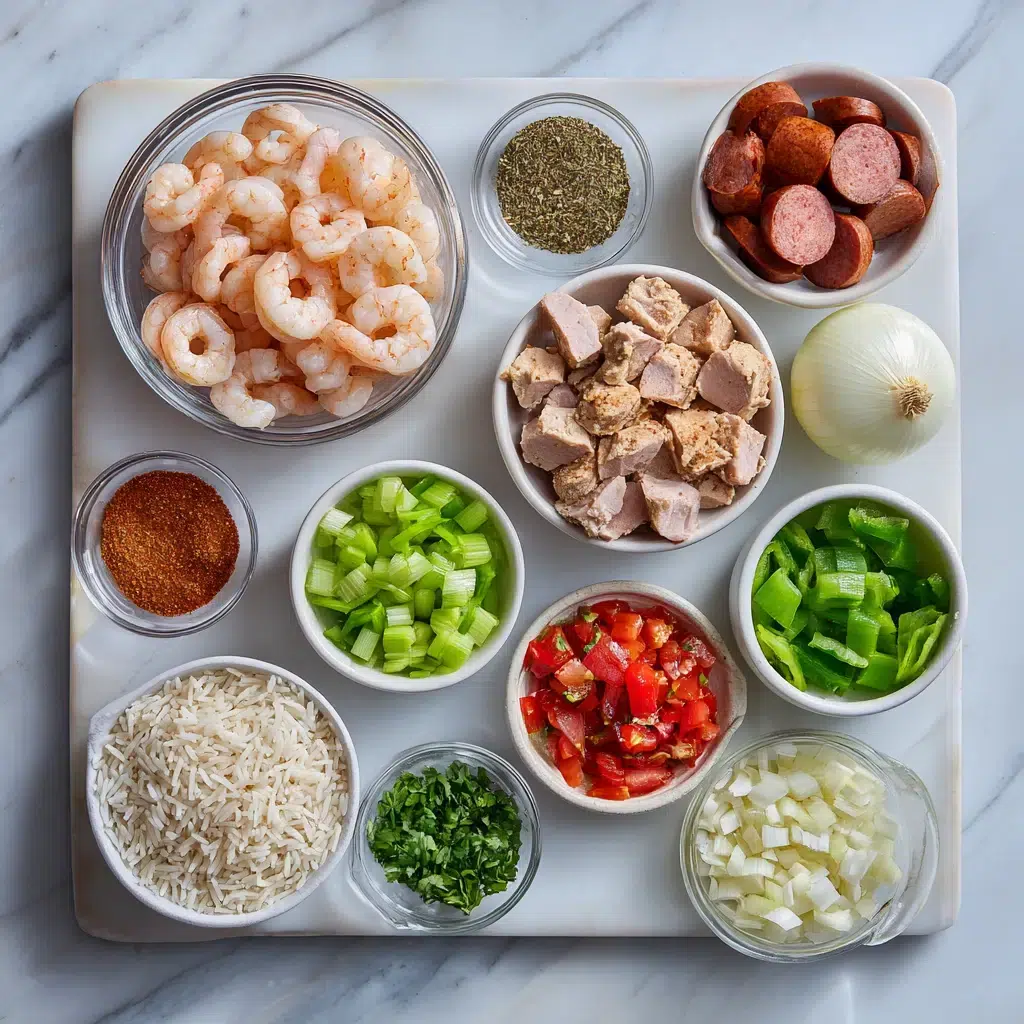
This is an easy jambalaya recipe in the sense that the steps are simple, but each ingredient has a job. When you know why it is there, you cook with way more confidence, and you are less likely to panic if the pot looks “too wet” halfway through.
- 1 lb shrimp, peeled and deveined, added at the end so it stays tender
- 12 oz smoked sausage, sliced, for smoky depth and salty seasoning throughout
- 1 lb chicken thighs or chicken breast, cut into bite-size pieces, for hearty, filling protein
- 1 large onion, chopped, sweet base flavor
- 1 green bell pepper, diced, classic Cajun aroma and freshness
- 2 celery stalks, diced, savory backbone
- 3 cloves garlic, minced, warmth and punch
- 1 cup diced tomatoes, a little tang and color
- ½ cup peas, sweetness and a pop of green (kids usually forgive peas in a pot like this)
- 2 green onions, sliced, fresh finish
- 2 tbsp fresh parsley, chopped, bright and herby at the end
- 1½ cups long-grain rice, the best choice for distinct grains (this is your Jambalya rice foundation)
- 3 cups chicken broth, the cooking liquid that becomes flavor
- 2 tsp Cajun seasoning, the main spice blend
- 1 tsp smoked paprika, smoky warmth
- ½ tsp dried thyme, herby depth
- ½ tsp dried oregano, classic savory note
- ¼ tsp cayenne pepper, gentle heat
- Salt, to taste
- Black pepper, to taste
- 2 tbsp olive oil, for browning and sautéing
- 1 tbsp butter, for richness (it makes the rice taste extra cozy)
Rice tip: I learned this the hard way after one too-many “why is this mushy?” nights. Use long-grain rice, measure the broth, and stop lifting the lid like it is a reality show reveal. The steam is doing the work.
Heat level tip: If your family has mixed spice preferences (mine definitely does), keep the cayenne modest in the pot and let heat-lovers add extra at the table.
Optional variations (clearly marked):
- 1–2 tsp extra Cajun seasoning for a bolder pot
- ½ cup extra diced tomatoes for a more tomato-forward version
- 1 extra celery stalk for more veggie sweetness
If you have been searching through recipes for jambalaya and feeling like they all assume you already “know what the pot should look like,” I get it. This one is built to be clear and forgiving.
How to Make Classic Jambalaya (Step-by-Step)
This Jambalya Recipe is all about calm cooking. My best advice is to prep everything first. I do the little bowls on the counter thing, like a cooking show, except my “studio” is a crowded counter and someone is always asking where their homework is.
Once you start, you are mostly letting the pot do its job. You will watch the rice go from wet and loose to fluffy and thick, and it feels a little magical every time.
Step 1: Season and Prep
This is the part that makes cooking feel calm later. Take five minutes now, and future-you will be so grateful.
- Pat the chicken and shrimp dry with paper towels (better browning, less steaming).
- Season the chicken with a pinch of salt, black pepper, and a little Cajun seasoning.
- Slice the sausage and chop the onion, bell pepper, and celery.
- Mince the garlic and measure your rice and broth.
If you are making this as a Cajun shrimp jambalaya recipe for guests, this prep step is also where you keep your kitchen from turning into a stress zone later.
Step 2: Brown the Sausage and Chicken for Deep Flavor
Heat a large heavy-bottomed pot over medium-high heat. Add the olive oil and butter. Once the butter melts, add the sliced sausage and let it brown for 3 to 4 minutes, stirring occasionally. When it smells smoky and looks caramelized around the edges, scoop it onto a plate.
Add the chicken pieces to the same pot and brown for about 4 to 5 minutes, just until you get some color. It does not need to cook through yet. Those browned bits on the bottom are flavor freckles, and they are going to season the whole pot.
Don’t rush this: Browning is what takes this from “fine” to the kind of dinner recipes soul food lovers crave. It is one of those heavy dinner recipes that feels worth it because the flavor is deep, not because it is fussy.
Step 3: Cook the Holy Trinity + Garlic
Reduce the heat to medium. Add the onion, bell pepper, and celery to the pot. Cook for 6 to 8 minutes, stirring now and then, until the vegetables soften and look glossy.
When the onion starts smelling sweet instead of sharp, you are right where you need to be. Add the garlic and cook for 30 seconds, just until fragrant.
This step is the heart of a Traditional Cajun Jambalaya Recipe, and it is where the kitchen starts smelling like you know exactly what you are doing, even if you are still reading the recipe with one eye.
- Look for: softened veggies, a little browning, no burning
- Smell for: sweet onion, warm garlic, savory “dinner is coming” aroma
Step 4: Toast the Rice, Add Tomatoes, Broth, and Seasonings
Add the rice to the pot and stir for 1 to 2 minutes to toast it lightly. Why:</strong Just a minute or two in the hot pot helps the grains stay distinct and soak up flavor without turning soft. This is the texture trick that saves your Jambalya rice.
Stir in the diced tomatoes, Cajun seasoning, smoked paprika, thyme, oregano, and cayenne. Pour in the chicken broth and scrape the bottom of the pot to lift all those browned bits. Add the browned sausage back in (and any juices on the plate).
Bring everything to a gentle simmer. Once it starts bubbling, reduce the heat to low and cover with a tight-fitting lid. This is my no-peeking rule. If it is boiling too hard, your heat is too high. You want a quiet simmer, not a rolling boil.
This is where the homemade jambalaya recipe turns into a real-deal pot of comfort, and yes, this is the moment the Jambalya Recipe starts smelling like it is going to be a winner.
Step 5: Simmer Until Rice Is Tender (No Over-Stirring)
Let the pot simmer, covered, for 20 to 25 minutes, or until the rice is tender and most of the liquid is absorbed. Avoid stirring during cooking. Why:</strong A steady, gentle simmer cooks rice evenly. Stirring too much can break grains and make the texture heavy.
When the time is up, turn off the heat and let the pot rest, still covered, for 10 minutes. That rest is when the rice finishes drinking up the last bit of broth and turns fluffy. It is also a perfect window to set the table, refill water cups, and pretend your kitchen has been tidy the whole time.
Timing snapshot:
- Brown sausage: 3 to 4 minutes
- Brown chicken: 4 to 5 minutes
- Sauté trinity: 6 to 8 minutes
- Simmer rice (covered): 20 to 25 minutes
- Rest (covered, off heat): 10 minutes
If you have ever googled easy jumbalya recipes and ended up with rice that felt like paste, this step is usually why. Gentle heat and patience win.
Step 6: Add Shrimp at the End + Finish with Herbs
After the rest, gently fold in the shrimp and peas. Cover again and let the residual heat cook the shrimp for 5 to 7 minutes, just until pink and curled.
Why:</strong Shrimp only needs a short finish. The second it turns pink and curls, it’s done, and the pot stays tender. Overcooked shrimp is a heartbreak I would not wish on anyone.
Finish with green onions and parsley. Taste and adjust:
- Add salt if needed (broths and sausage vary a lot)
- Add black pepper for warmth
- Add a pinch more cayenne if your table likes extra heat
Spoon it into bowls and serve it hot. This chicken shrimp jambalaya is best when everyone is hungry and the pot is still steaming.
Heat Control: Mild to Spicy Without Losing Flavor
Classic Jambalaya should taste bold, not painful. In my house, I have one kid who wants “no spicy at all,” one who wants “a little kick,” and one who would probably eat hot sauce on cereal if I let her. So I learned to build flavor first, then let people customize heat.
Here is a simple spice ladder that keeps your Cajun rice dinner balanced and still true to traditional jambalaya:
- Mild: Use the Cajun seasoning as written, skip the cayenne, and add extra parsley and green onion at the end.
- Medium: Use the recipe amounts, including the cayenne. This is my “family-friendly but not bland” level.
- Spicy: Add 1 to 2 teaspoons extra Cajun seasoning (optional variation) and an extra pinch of cayenne at the end after tasting.
The trick is not dumping all the heat in at the beginning. Season in layers, then adjust at the end so you do not over-spice the whole pot.
Fix-It Guide: If Your Jambalaya Is Too Wet, Too Dry, or Too Salty
Real life confession: I have absolutely gotten distracted mid-simmer because someone needed help with a school project, and I came back to a pot that looked… questionable. The good news is that one pot jambalaya is surprisingly rescuable.
- If it’s too wet or soupy: Simmer uncovered for 5 to 10 minutes, stirring gently only once or twice. Then rest it off heat for another 10 minutes. Often the rice just needs a little extra time to absorb. (This is also how to thicken jambalaya if too soupy without messing up the texture.)
- If it’s too dry: Add a splash of warm broth, about ¼ cup at a time, and fold gently. Cover and let it sit for 5 minutes so the steam loosens the rice.
- If the rice is getting mushy: Next time, use long-grain rice, keep the simmer gentle, and avoid stirring. For now, spread a portion on a plate for a minute or two before serving. It helps excess steam escape and can improve texture.
- If it’s too salty: Add more unsalted broth and a little extra rice only if you can fully cook it (otherwise it stays crunchy). You can also stir in more peas or an extra handful of chopped parsley and green onion to soften the salty edge.
- If it tastes flat: Add a pinch of Cajun seasoning and black pepper, then finish with more herbs. Sometimes it just needs that last little lift.
This is why I call it an easy jambalaya recipe. Not because nothing can go wrong, but because you can usually fix it without starting over.
What to Serve with Classic Jambalaya
I love serving Classic Jambalaya in big bowls, family-style, right from the pot. It is already a full meal, so sides can stay simple. Think “supporting cast,” not “extra work.”
Easy side ideas:
- A crisp green salad with a simple vinaigrette
- Steamed green beans or roasted broccoli
- Warm cornbread or a crusty loaf for scooping
- Sautéed greens for that cozy dinner recipes soul food feeling
Topping ideas (my little “topping bar” trick):
- Extra green onions
- More chopped parsley
- A pinch of Cajun seasoning for spice-lovers
- Black pepper right at the table
If you love one-bowl meals and want to keep the theme going, here is another easy shrimp-and-rice bowl for weeknights that feels totally different but still hits that cozy, practical dinner vibe.
Storage, Make-Ahead, and Reheating
This homemade jambalaya recipe is one of those dinners that might taste even better tomorrow. The flavors settle in, the rice soaks up a little more seasoning, and suddenly your lunch feels like you planned your life perfectly.
Fridge: Store in an airtight container for up to 3 to 4 days.
Freezer: Yes, you can freeze jambalaya. Cool it completely first, then portion into freezer containers. Freeze for about 2 to 3 months. Thaw overnight in the fridge for the best texture.
Reheat: To reheat jambalaya without drying it out, add a small splash of broth or water, cover, and warm gently. On the stovetop, use low heat and stir occasionally. In the microwave, reheat in short intervals, stirring between rounds so the steam can loosen the rice.
If you are in a season where the afternoon disappears, you might also like a hands-off chicken and rice option for busy days. It is another cozy rice dinner that does not ask much of you.
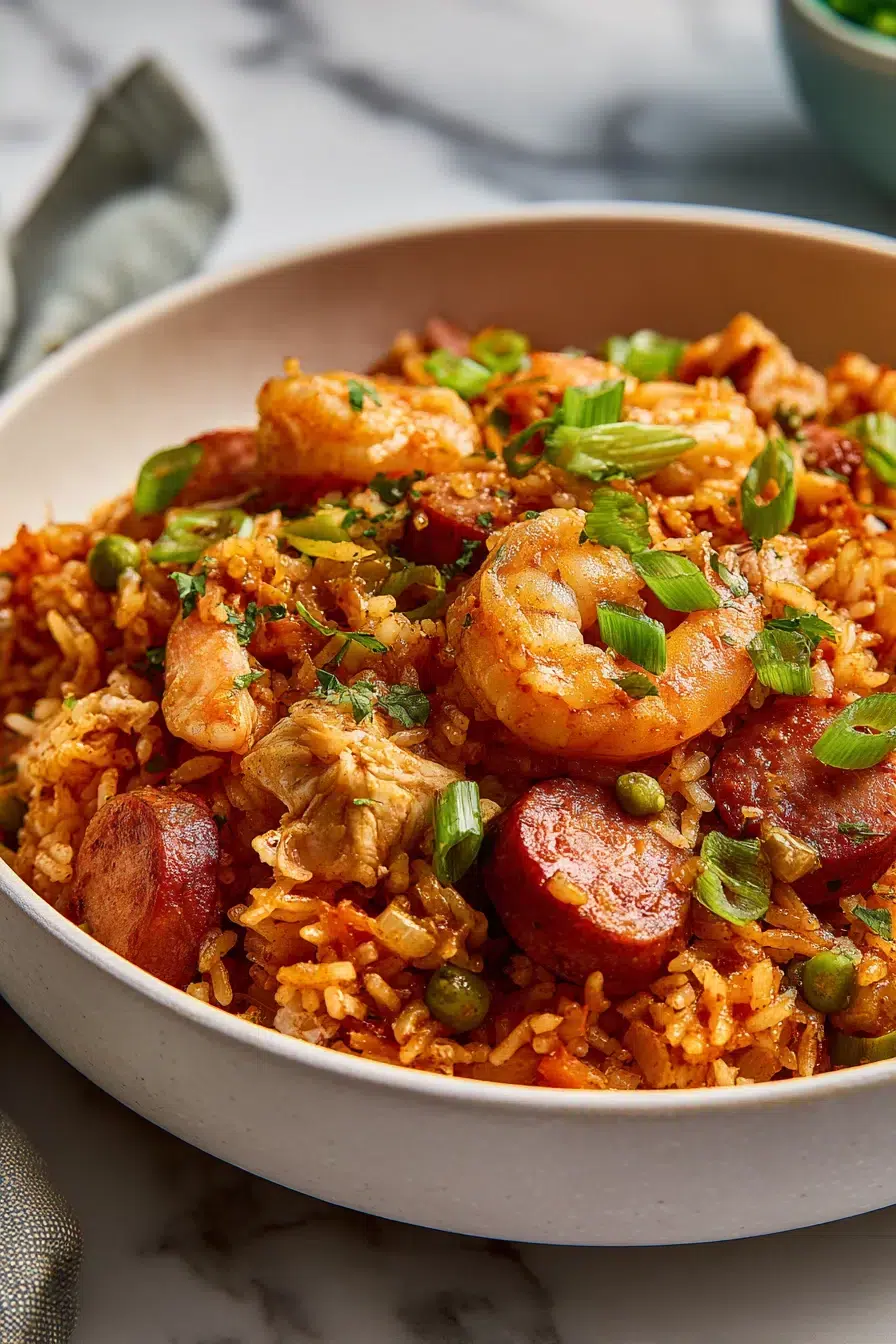
Frequently Asked Questions about Classic Jambalaya
Q: What is the difference between jambalaya and gumbo?
Answer: Jambalaya is a rice-based one-pot meal where the rice cooks right in the seasoned broth with the proteins and vegetables. Gumbo is more like a stew, served over rice rather than cooked with it, and it’s typically thicker and more soup-like. A jambalaya pot looks fluffy and spoonable, while gumbo feels like a cozy bowl of stew.
Q: Can I use chicken breast instead of chicken thighs in Classic Jambalaya?
Answer: Yes. Chicken breast works well, just be mindful of cook time since it can dry out faster than thighs. Cut it into even bite-size pieces and brown it briefly, then let it finish cooking gently while the rice simmers. I usually prefer thighs when I’m cooking for a crowd because they stay tender.
Q: What sausage works best for Classic Jambalaya?
Answer: A smoked sausage is ideal because it adds rich, smoky flavor quickly. Choose one that browns well and has a seasoning profile you enjoy, since it seasons the entire pot as it simmers. The smell when the sausage hits the hot pot and starts to caramelize is basically the dinner bell.
Q: Do you cook the rice before adding it to jambalaya?
Answer: No, long-grain rice is added uncooked so it can absorb the seasoned broth as it simmers. This is what gives jambalaya its signature flavor throughout every bite. I love watching the broth level drop as the rice “drinks it in.”
Q: How do you keep jambalaya rice from getting mushy?
Answer: Use long-grain rice, measure the broth carefully, keep the simmer gentle, and avoid frequent stirring. Also, let the pot rest off the heat before serving so the rice can finish setting up. My no-peeking, no-stirring rule is what finally made the texture consistent.
Q: How can I thicken jambalaya if it turns out too soupy?
Answer: Let it simmer uncovered for a few minutes to reduce excess liquid, stirring gently only once or twice. You can also cover it and let it rest off the heat, often the rice will absorb more as it sits. The pot looks looser at first, then tightens up after a short rest.
Q: Can you make Classic Jambalaya in a slow cooker, and how long does it take?
Answer: Yes, but rice texture can vary in a slow cooker. For best results, cook the chicken, sausage, vegetables, broth, and seasonings on low for about 4 to 6 hours (or high for 2 to 3 hours), then add the rice near the end until tender. Add shrimp at the very end so it stays tender. I use the slow cooker on days when the afternoon disappears.
Q: How do you reheat jambalaya without drying it out?
Answer: Reheat gently with a small splash of broth or water, covered, so the steam loosens the rice. Warm on the stovetop over low heat or in the microwave in short intervals, stirring between rounds. My leftover lunch ritual is stirring in a spoonful of broth and tasting for seasoning.
Q: How long does Classic Jambalaya last in the fridge, and can you freeze it?
Answer: Store jambalaya in an airtight container in the fridge for up to 3 to 4 days. It also freezes well for about 2 to 3 months. Cool completely before freezing, and thaw overnight in the fridge for the best texture when reheating. I label the containers, and it is honestly comforting to find a ready-made dinner in the freezer.
Classic Jambalaya is one of those meals that makes the table feel a little louder and a little happier. It is hearty without being fussy, bold without being complicated, and it is the kind of traditional jambalaya that turns a regular night into a cozy one. If you have been craving a Cajun rice dinner that feels like home, I hope this pot finds its way into your weekly rotation.
Thank you for cooking with me today, I’m so glad you’re here in my kitchen.
Come hang out with me on Noted Recipes on Pinterest for more cozy, family-friendly dinners.
Print
Classic Jambalaya (Chicken, Shrimp & Rice)
- Total Time: 60 minutes
- Yield: 6 servings 1x
Description
Classic Jambalaya made with shrimp, chicken, sausage, veggies, and Cajun spices simmered with rice for a hearty dinner recipe. It’s a cozy, one-pot meal that brings warmth and flavor to any table.
Ingredients
1 lb shrimp, peeled and deveined
12 oz smoked sausage, sliced
1 lb chicken thighs or chicken breast, cut into bite-size pieces
1 large onion, chopped
1 green bell pepper, diced
2 celery stalks, diced
3 cloves garlic, minced
1 cup diced tomatoes
½ cup peas
2 green onions, sliced
2 tbsp fresh parsley, chopped
1½ cups long-grain rice
3 cups chicken broth
2 tsp Cajun seasoning
1 tsp smoked paprika
½ tsp dried thyme
½ tsp dried oregano
¼ tsp cayenne pepper
Salt, to taste
Black pepper, to taste
2 tbsp olive oil
1 tbsp butter
Instructions
1. Pat the chicken and shrimp dry with paper towels. Season the chicken with salt, black pepper, and Cajun seasoning. Slice the sausage and chop the onion, bell pepper, and celery. Mince the garlic and measure your rice and broth.
2. Heat a large heavy-bottomed pot over medium-high heat. Add olive oil and butter. Once melted, add sausage and brown for 3 to 4 minutes. Remove sausage. Add chicken to the pot and brown for 4 to 5 minutes. Remove chicken.
3. Reduce heat to medium. Add onion, bell pepper, and celery. Cook for 6 to 8 minutes until softened. Add garlic and cook for 30 seconds.
4. Add rice to the pot and toast for 1 to 2 minutes. Stir in diced tomatoes, Cajun seasoning, smoked paprika, thyme, oregano, and cayenne. Pour in chicken broth and scrape the bottom of the pot. Add sausage back in.
5. Bring to a gentle simmer. Reduce heat to low, cover, and simmer for 20 to 25 minutes until rice is tender. Let rest off heat for 10 minutes.
6. Fold in shrimp and peas. Cover and let residual heat cook shrimp for 5 to 7 minutes. Finish with green onions and parsley. Adjust seasoning as needed.
Notes
Store in an airtight container in the fridge for 3 to 4 days. Can be frozen for 2 to 3 months. Reheat with a splash of broth to prevent drying out. Use long-grain rice for best texture. Adjust cayenne for desired heat level.
- Prep Time: 15 minutes
- Cook Time: 45 minutes
- Category: Dinner
- Method: One-Pot
- Cuisine: Cajun
Nutrition
- Serving Size: 1 bowl
- Calories: 450
- Sugar: 5
- Sodium: 1200
- Fat: 20
- Saturated Fat: 7
- Unsaturated Fat: 10
- Trans Fat: 0
- Carbohydrates: 45
- Fiber: 3
- Protein: 30
- Cholesterol: 180